dance shoe size guide
Dance Shoe Size Guide: A Comprehensive Overview (Updated 03/26/2026)
Navigating dance shoe sizing requires precision! Charts vary by style – ballet, tap, jazz, Irish, Highland, Zumba, Latin, and ballroom – demanding specific measurements for optimal fit and performance.
Embarking on the journey of dance necessitates properly fitted footwear. Unlike standard street shoes, dance shoes prioritize specific needs – flexibility, support, and precise movement. A correct fit isn’t merely about comfort; it directly impacts technique, prevents injuries, and enhances performance. This guide provides a comprehensive overview of dance shoe sizing, acknowledging the diverse requirements of various dance styles.
From the delicate precision of ballet slippers to the rhythmic impact of tap shoes, each discipline demands a unique fit. We’ll explore sizing nuances for ballet, tap, jazz, Irish, Highland, Zumba, Latin, and ballroom dancing. Understanding that sizing charts differ significantly between brands and styles is crucial. This resource aims to demystify the process, ensuring dancers of all levels find their perfect fit, maximizing their potential and enjoyment.
Why Dance Shoe Sizing Differs from Street Shoe Sizing
Dance shoes aren’t designed for everyday wear; their construction prioritizes performance attributes. Street shoes focus on cushioning and general support, while dance shoes emphasize flexibility, a snug fit, and the ability to articulate the foot; This fundamental difference necessitates distinct sizing approaches.
Dance shoes often run smaller than typical street shoe sizes, accounting for the dancer’s need for a secure, precise fit. Variations also arise due to the materials used – leather, canvas, or synthetic fabrics – each impacting how the shoe conforms to the foot. Furthermore, different dance styles demand varying levels of toe room and arch support. Considering width is also vital, as dance movements require stability and control, unlike the broader fit of casual footwear.
Understanding Dance Shoe Widths
Dance shoe widths are crucial for comfort and preventing injuries. Unlike street shoes, dance shoes often come in limited width options, typically narrow (A), medium (B), or wide (D). Determining your correct width is as important as length. If you typically wear a wide width in street shoes, adding a half-size up when ordering ballet shoes is often recommended to accommodate the broader foot.
Width considerations vary by dance style. For example, tap shoes require a secure heel fit, so width impacts stability. Ballet shoes demand a snug fit to support pointe work or turns. Always consult brand-specific charts, as width sizing isn’t standardized. Ignoring width can lead to blisters, discomfort, and compromised technique.
Ballet Shoe Sizing
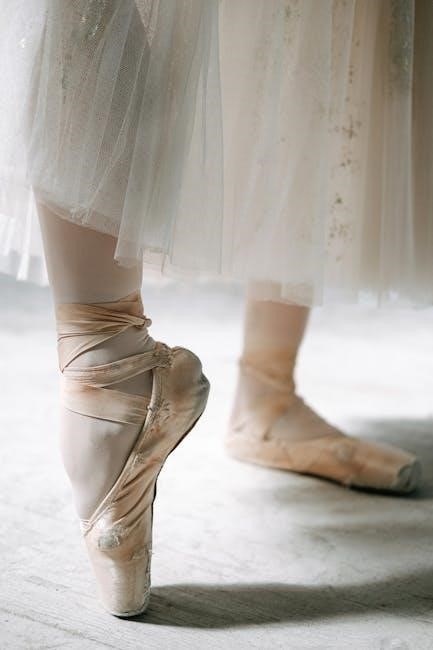
Ballet shoe sizing differs significantly from standard shoe sizes. Bloch Dansoft leather ballet slippers, for instance, have specific charts. For US child sizes, a size 6.5 corresponds to a shoe size of 6, while 7.5 equates to 7. Street shoe to ballet shoe conversions for men show a size 5.5 correlating to 9A, and a size 6 to 6.5.
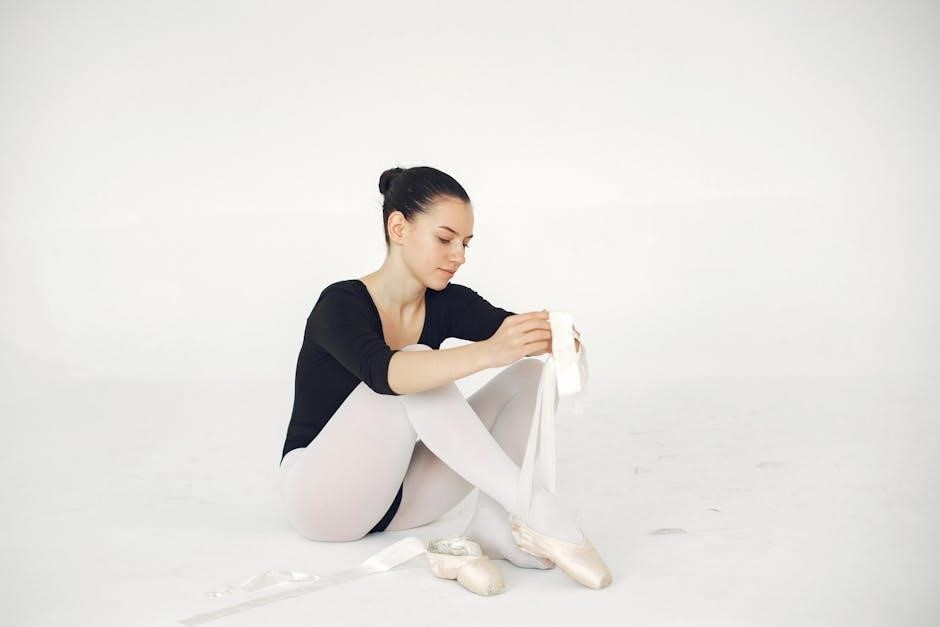
Remember to consider width; if a dancer wears wide street shoes, adding half a size up is advisable. Charts from Inspirations Dancewear Canada detail these conversions. Accurate measurement is vital, as ballet shoes need a snug, supportive fit for proper technique and preventing injury. Always check the specific brand’s size guide.
US Child Ballet Shoe Sizes
Determining the correct US child ballet shoe size is crucial for young dancers’ comfort and technique. Bloch Dansoft ballet slippers offer a detailed sizing guide for children. A US child size of 6.5 translates to a shoe size of 6, while 7;5 corresponds to a size 7. Progressing through the sizes, 8.5 equates to 8, and 9.5 to 9.
Larger sizes continue this pattern: 10.5 becomes 10, 11.5 to 11, 12.5 to 12, and 13.5 to 13. For even larger feet, size 1 corresponds to 13.5, 1.5 to 1, and 2 to 2. Accurate measurement, referencing the brand’s chart, ensures a proper fit for growing feet.
Street Shoe to Ballet Shoe Conversion (Men)
Converting a man’s street shoe size to a ballet shoe size requires careful consideration, as ballet shoes typically run smaller. A street shoe size of 5.5 corresponds to a 9A ballet shoe, while a 6 translates to 6.5A. Moving up the scale, a 7 becomes 10A, 8 equates to 11A, and 9 to 12A.
Continuing the conversion, a street size of 9.5 becomes 11.5A, 10 to 12A, 10.5 to 12.5A, and 11 to 13A. If a dancer typically wears a wide width in street shoes, adding an additional half size when ordering ballet shoes is recommended to accommodate the broader foot shape and ensure a comfortable fit.
Bloch Dansoft Leather Ballet Shoe Size Chart
The Bloch Dansoft leather ballet shoe offers a comfortable and flexible fit, but accurate sizing is crucial. For US Child sizes, a 6.5 corresponds to a size 6, 7 to 6.5, 7.5 to 7, and 8 to 7.5. Continuing, 8.5 equates to 8, 9 to 8.5, 9.5 to 9, and 10 to 9.5.
For larger child sizes, 10.5 corresponds to 10, 11 to 10.5, 11.5 to 11, 12 to 11.5, 12.5 to 12, 13 to 12.5, 13.5 to 13, and 1 to 13.5. Size 1.5 equates to 14, 2 to 14.5, 2.5 to 15, and so on. Always consult the chart carefully, as Bloch sizing can vary slightly between styles and materials.
Tap Shoe Sizing
Tap shoe sizing requires careful consideration, differing from standard shoe sizes. Generally, tap shoes run slightly smaller, necessitating a potential half-size increase. Prioritize a snug heel fit to prevent slippage during routines, crucial for clear sound production. Width is also vital; options typically include narrow, medium, and wide.
When selecting tap shoes, consider the style of tap dance – rhythm or Broadway – as this can influence the desired fit. A more secure fit is often preferred for rhythm tap, while Broadway tap may allow for slightly more flexibility. Always check specific brand size charts as variations exist.
General Tap Shoe Sizing Considerations
Tap shoe sizing isn’t a one-size-fits-all scenario. A secure fit is paramount, preventing the shoe from shifting during complex steps and ensuring clear tap sounds. Many dancers find tap shoes run smaller than street shoes, often recommending sizing up a half size. However, this isn’t universal; always consult the brand’s specific chart.
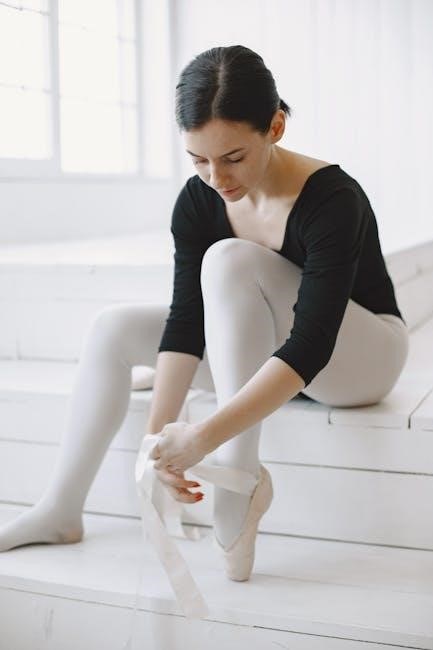
Consider the shoe’s construction. Leather tap shoes tend to stretch slightly with wear, while synthetic materials maintain their shape. Prioritize a snug heel fit to avoid blisters and maintain control. Remember to try shoes on with tap protectors installed, as these add bulk and affect the overall fit.
Tap Shoe Width Options
Tap shoe widths are crucial for comfort and technique. While many brands offer standard widths, options like narrow (AA), medium (B), wide (D), and extra-wide (EE) cater to diverse foot shapes. If you typically wear wide widths in street shoes, adding a half size up when ordering tap shoes is often advised, ensuring ample toe room.
Pay attention to how the shoe feels across the ball of your foot. A too-narrow shoe will constrict movement and cause discomfort, while a too-wide shoe will allow excessive shifting. Proper width prevents blisters and enhances control during turns and intricate footwork. Don’t hesitate to consult brand-specific guides for accurate width selection.
Jazz Shoe Sizing
Jazz shoe sizing differs significantly from standard shoe sizes. Typically, dancers size down a half to full size, especially for split-sole jazz shoes, to achieve a snug, secure fit. This prevents the shoe from slipping during dynamic movements and allows for precise foot articulation.
Consider the material when selecting your size. Leather jazz shoes tend to stretch slightly with wear, while canvas or synthetic materials offer less give. Prioritize a close fit without being overly constricting, allowing for comfortable pointing and flexing of the foot. Always check brand-specific size charts, as variations exist.
Sizing for Split-Sole Jazz Shoes
Split-sole jazz shoes require a particularly precise fit due to their construction and the demands of jazz technique. Dancers often size down a half to a full size from their street shoe size to prevent slippage and ensure optimal control. A snug heel is crucial for stability during turns and jumps.
Pay close attention to the width of the shoe. If you typically wear a wide width in street shoes, consider ordering a wider jazz shoe or sizing up a half size. Proper fit allows for full articulation of the foot and prevents blisters or discomfort during extended rehearsals or performances. Always consult the specific brand’s sizing guide.
Irish Dance Shoe (Ghillie) Sizing
Ghillies, the soft shoes of Irish dance, require a unique fitting process. Unlike structured shoes, ghillies are designed to mold to the dancer’s foot. Accurate measurement is vital for comfort and performance. Traditionally, ghillies are sized similarly to street shoe sizes, but variations exist between manufacturers.
Measuring for ghillies involves tracing the foot and measuring the length from heel to longest toe. It’s recommended to measure both feet, as sizes can differ. Consider the thickness of socks worn during dance when measuring. A snug, but not constricting, fit is ideal, allowing for flexibility and precise footwork.
Measuring for Ghillies
Precise measurement is crucial for ghillie fit, as these shoes mold to the foot. Begin by tracing both feet on a piece of paper while standing, wearing the socks typically used for Irish dance. Measure the length from the back of the heel to the tip of the longest toe on each tracing – discrepancies are common!
Use a ruler or measuring tape to determine the longest measurement. When selecting a size, consider the shoe’s construction; ghillies stretch with wear. A snug fit initially is preferable, allowing for expansion. Remember that sizing can vary between brands, so consulting specific charts is essential for optimal comfort and performance.
Highland Dance Shoe Sizing
Highland dance shoe sizing demands careful attention, as these shoes are structured differently than other dance footwear. Measurements typically focus on the length of the foot, from heel to toe, with a slight pull indicated for accuracy. Refer to the manufacturer’s specific size chart – Tartantown Ltd. provides a detailed guide, referencing sizes 10 through 13, and corresponding foot lengths in inches and fractions.
Shoe size ranges often include 7 to 9, with fractional increments. It’s vital to measure both feet, as slight variations are common, and select the size that accommodates the larger foot. Remember that Highland shoes don’t stretch significantly, so a precise fit is paramount for comfort and technique.
Highland Dance Shoe Size Charts
Tartantown Ltd. offers a comprehensive Highland dance shoe size chart, crucial for accurate fitting. Their chart details foot length measurements corresponding to shoe sizes, ranging from 10 to 13. Specifically, a size 10 aligns with a 7-inch foot, while size 13 corresponds to a 7.8-inch foot. Incremental sizes, like 10.5, 11.5, and 12.5, feature corresponding foot length measurements as well.
The chart also includes fractional measurements, such as 7 ¼ inches for a specific size, ensuring a precise match. Always consult the latest chart from the retailer, as variations can occur. Prioritize measuring both feet and selecting the larger size for optimal comfort and performance during Highland dance routines.
Zumba Dance Shoe Sizing
When selecting ZUMBA Air Funk dance shoes, be aware that they generally run larger than standard shoe sizes. This means you might need to order a half or even a full size down from your typical athletic shoe size to achieve a comfortable and secure fit. Careful consideration of this sizing difference is essential to prevent slipping or discomfort during energetic Zumba routines.
Prioritize trying on the shoes, if possible, or thoroughly reviewing the specific brand’s size chart. Pay attention to the shoe’s construction and materials, as these can also influence the fit. A snug, yet not constricting, feel is ideal for optimal performance and injury prevention during Zumba classes.
ZUMBA Air Funk Shoe Size Considerations
The ZUMBA Air Funk shoe consistently demonstrates a tendency to run larger than conventional athletic footwear. Therefore, a proactive approach to sizing is crucial; many dancers find success by initially ordering a half size smaller than their usual shoe size. However, individual foot shapes and preferences vary, so this isn’t a universal rule.
Consider the sock thickness you’ll typically wear during Zumba classes. Thicker socks will require slightly more room within the shoe, potentially influencing your size selection. Always prioritize comfort and a secure heel fit to prevent blisters and ensure optimal performance during high-energy movements. Review recent customer feedback for additional insights.
Latin Dance Shoe Sizing
Accurate sizing is paramount for Latin dance shoes, specifically for styles like Salsa, Bachata, and Cha-Cha. These shoes typically run true to size, but subtle variations exist between brands and styles. A snug, secure fit is essential to facilitate precise footwork and prevent slippage during quick turns and intricate movements. Consider the heel height and width when selecting your size, as these factors impact overall comfort and stability.
Pay close attention to the shoe’s construction; leather shoes may stretch slightly with wear. If between sizes, it’s generally recommended to choose the smaller size for a more controlled feel. Always measure both feet and fit to the larger foot.
Sizing for Salsa, Bachata, and Cha-Cha Shoes
When selecting shoes for Salsa, Bachata, and Cha-Cha, prioritize a precise fit that complements the dynamic movements of these dances. A secure heel is crucial to prevent slipping and maintain control during turns and fast footwork. Generally, these styles run true to street shoe size, but individual brands may differ slightly. Consider the shoe’s material; leather will mold to your foot over time, while synthetic materials offer less give.
If you’re between sizes, opt for the smaller size to ensure a snug fit. Always measure both feet and fit to the larger foot. A well-fitted shoe enhances performance and minimizes the risk of blisters or discomfort during extended dance sessions.
Ballroom Dance Shoe Sizing
Ballroom shoe sizing presents a nuance: distinctions between American and International styles. American ballroom shoes often align closely with standard street shoe sizes, prioritizing comfort for a broader range of movements. International ballroom shoes, however, tend to run narrower, demanding a more precise and streamlined fit for the intricate footwork. Men’s sizing typically follows a similar pattern, with American styles being more forgiving and International styles requiring greater accuracy.
Always consult the specific brand’s size chart, as variations exist. Consider heel height and width preferences when selecting your ballroom shoes, as these impact balance and technique.
American vs. International Ballroom Shoe Sizing
The core difference lies in fit philosophy. American ballroom shoes generally mirror street shoe sizes, offering more room and comfort for expansive movements like whips and dips. This allows for greater flexibility and a less restrictive feel during social dancing and performances. International ballroom shoes, conversely, prioritize a snug, precise fit. They are typically narrower, designed to enhance the clean lines and intricate footwork characteristic of styles like Waltz and Foxtrot.
Men’s shoes follow this trend; American styles are wider, while International styles are more streamlined. Accurate measurement is crucial, especially for International styles, to avoid discomfort and compromised technique.
Sizing for Character Dance Shoes
Character dance shoes are incredibly diverse, mirroring the varied styles they represent – from Spanish flamenco boots to Polish peasant slippers. Consequently, sizing isn’t standardized like ballet or tap. Often, these shoes are based on European sizing, requiring careful conversion from US sizes. Consider the specific style; flamenco boots need a snug heel fit, while peasant slippers prioritize overall comfort and a secure fit for quick movements.
Manufacturers’ charts are essential, as sizing varies significantly between brands and styles. Always prioritize a secure fit to prevent slippage during energetic character routines. Expect some break-in time for leather options.
Tips for Accurate Measurement
Achieving a precise fit begins with accurate foot measurements! Measure both feet, as slight variations are common. Trace your foot on paper while standing, wearing socks similar to those used for dance. Measure the length from heel to longest toe, and the width at the broadest point. Measure later in the day, as feet tend to swell.
Use a Brannock device if possible, or a ruler and paper carefully. Don’t rely solely on your street shoe size – dance shoes differ! Have someone assist for greater accuracy. Record measurements in both inches and centimeters for broader chart compatibility.
Measuring Your Feet at Home
Accurate home measurement ensures a better dance shoe fit! Begin by placing a piece of paper larger than your foot flat on the floor, against a wall. Stand with your heel against the wall and trace your foot carefully, wearing dance socks. Repeat with the other foot – sizes can vary! Measure the length from the heel to the tip of your longest toe in both inches and centimeters.
Measure width at the widest point. Ensure the pencil is held vertically during tracing. Compare both foot tracings and use the larger measurement for shoe selection. Consider repeating the process later in the day, as feet swell.
When to Measure Your Feet
Timing is crucial for accurate dance shoe sizing! Avoid measuring your feet first thing in the morning, as they tend to be smaller due to overnight fluid retention. The best time is late afternoon or evening, when your feet are at their largest after a day of activity. This accounts for natural swelling that occurs throughout the day.
Measure after dance practice if possible, to simulate the conditions your feet will experience while dancing. Always measure both feet, as one may be slightly larger than the other, and use the larger measurement when selecting your shoe size. Consistent timing ensures reliable results.
Dealing with Half Sizes
Half sizes are common in dance shoe fitting, requiring careful consideration. If you typically wear a half size in street shoes, it’s often recommended to round up to the next full size when purchasing dance shoes, especially for styles like ballet or tap. This accommodates the specific fit requirements of dance footwear.
However, always consult the brand’s specific size chart, as recommendations can vary. If you’re between sizes, consider the shoe’s construction; a tighter fit is often preferred for pointe shoes, while a little more room might be better for jazz or character shoes. Prioritize comfort and secure support.
Understanding Shoe Construction and Fit
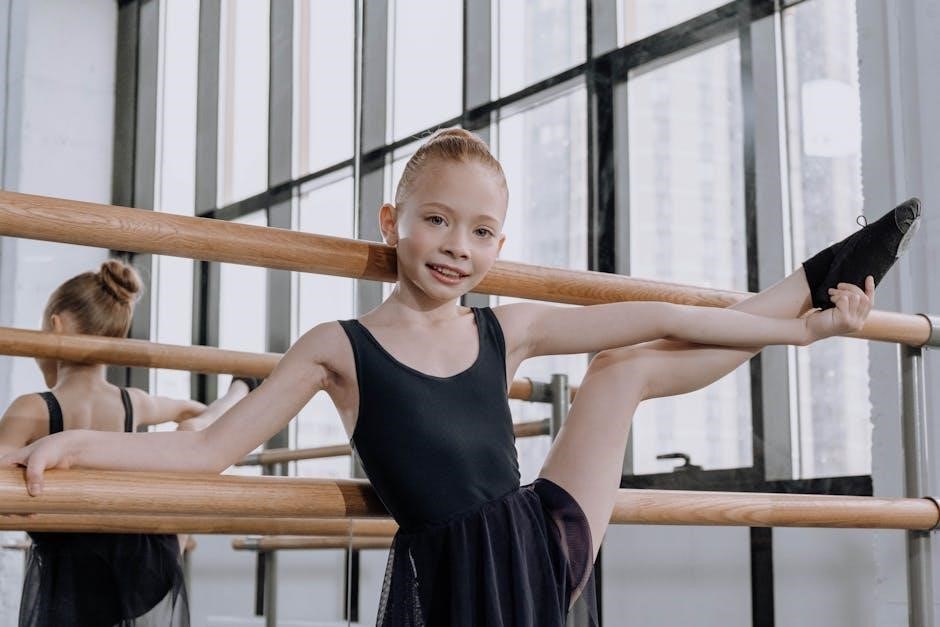
Dance shoe construction significantly impacts fit. Leather ballet slippers mold to the foot over time, requiring a snug initial fit. Tap shoes need adequate space for toe movement and secure ankle support. Jazz shoes, particularly split-sole designs, prioritize flexibility and arch support.
Consider the shoe’s material and sole type. Full-sole jazz shoes offer more support, while split-sole shoes enhance articulation. Ghillies (Irish dance shoes) require a precise fit to prevent slippage. Understanding these nuances is crucial for selecting the correct size and ensuring optimal performance and comfort during dance activities.
Common Sizing Issues and Solutions
Frequent issues include shoes running small or large. Zumba Air Funk shoes, for example, often require sizing down. Ballet slippers may initially feel tight, but should mold to the foot. Blisters and discomfort signal a poor fit. If experiencing tightness, consider shoe stretchers or thicker socks.
For width issues, Bloch recommends adding a half size for wider feet in street shoes. If heel slippage occurs, try heel grips or thicker socks. Always prioritize comfort and functionality. Don’t hesitate to exchange shoes if the initial fit isn’t perfect, utilizing return policies effectively.
Where to Find Specific Brand Size Charts
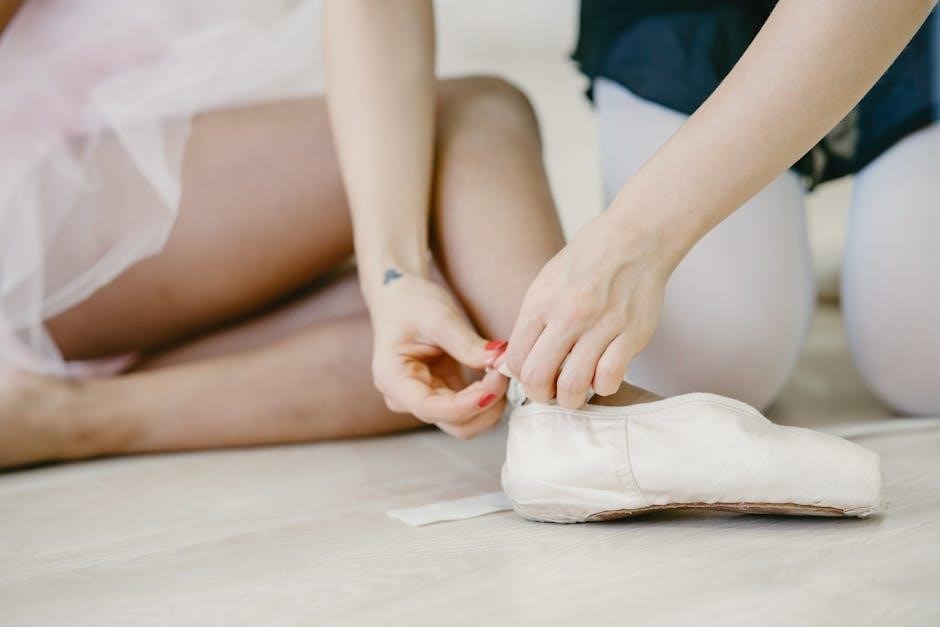
Locating accurate brand-specific charts is crucial for a precise fit. Inspirations Dancewear Canada provides a detailed sizing guide for Bloch Dansoft ballet slippers (SO205 & SO275), outlining US child sizes and corresponding choices. Tartantown Ltd. offers size charts for Highland dance shoes, detailing measurements from heel to toe.
Always check the manufacturer’s website directly for the most up-to-date information. Retailers often link to these charts as well. Remember that sizing can vary even within a brand, depending on the shoe style. Utilize online resources and customer reviews to gain further insights before purchasing.
Online Resources for Dance Shoe Sizing
Numerous online tools assist in finding the perfect dance shoe fit. ShopSavvy allows users to track products and receive alerts for price drops and stock availability, aiding informed purchasing decisions. Brand websites, like Bloch and Tartantown Ltd., are primary sources for their specific size charts.
Dance-specific retailers, such as Inspirations Dancewear Canada, often provide detailed sizing guides alongside product listings. Utilize forums and online communities dedicated to dance to gather insights from experienced dancers regarding fit and sizing nuances. Remember to cross-reference information for accuracy.
Return Policies and Exchanges
Understanding return policies is crucial when purchasing dance shoes online. Given the potential for sizing discrepancies, especially with brands like ZUMBA Air Funk which tend to run larger, a flexible return policy offers peace of mind. Carefully review the retailer’s terms regarding returns, exchanges, and potential restocking fees before completing your purchase;
Note any time limitations for returns or exchanges. Some retailers may require shoes to be unworn and in their original packaging. Keep records of your order and any communication with the retailer. A clear understanding of the policy protects your investment and ensures a satisfactory fit.